Featured

Unknown Facts About Legal Considerations in Bankruptcy Proceedings
Table of Contents
That frees up cash in the brief term, and you may have 3 to four years to conserve toward the settlement amount. Really dangerous to credit history, mainly due to missed out on settlements and an unfavorable "settled" mark that could remain on your credit report for up to seven yearsMay be just option if other alternatives (financial debt combination, equilibrium transfer bank card, financial obligation forgiveness) aren't possibleTypically needs a fee to the 3rd event, which can balance out some or all of the financial savings from debt settlementMay help you avoid bankruptcy if you have actually missed several paymentsNot all lenders deal with financial debt settlement companies Financial obligation mercy might be appropriate for you if you are experiencing a monetary challenge that makes it nearly impossible to pay down your financial obligation equilibriums.

With a DMP, you make one monthly settlement to the credit history therapy agency. Those funds are then dispersed to financial institutions of your unsecured debts, such as bank card and installment car loans. The company works with your financial institutions to decrease rates of interest or waive costs, but some financial institutions might decline such concessions.
It can assist you pay down debt if you're able to secure a finance rate that's lower than the ordinary price of the accounts you're consolidating. You have to refrain from racking up financial obligation on those recently gotten rid of accounts or your financial debt can expand even higher.
That gives you lots of time to get rid of or dramatically minimize your equilibrium while making interest-free repayments.
Establishing Post-Preparing for Life One Year After Bankruptcy: A Counselor-Approved Checklist Budget for Permanent Success Fundamentals Explained
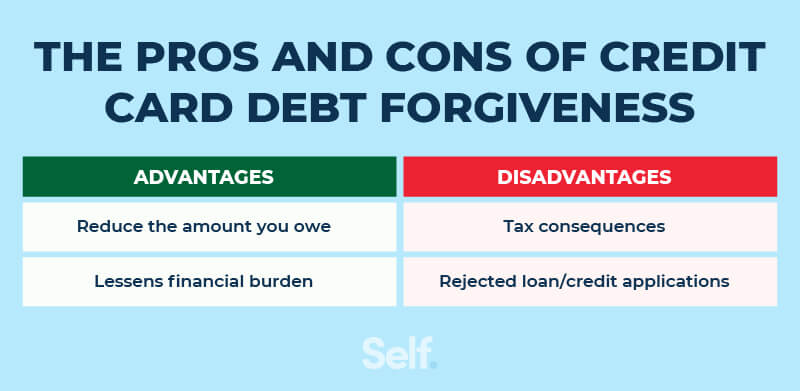
You may need it if your creditor or a collection firm ever attempts to gather on the financial debt in the future. When a lender forgives $600 or more, they are required to send you Form 1099-C.
Financial obligation mercy or settlement usually injures your credit scores. Anytime you clear up a financial debt for much less than you owe, it might show up as "cleared up" on your credit rating record and influence your credit report for seven years from the date of negotiation. Your credit can likewise go down considerably in the months resulting in the mercy if you fall back on repayments.
All About Establishing a Sustainable Spending Strategy for Lasting Stability
This situation typically results from underreporting income, not filing returns on time, or discrepancies discovered throughout an IRS audit. The consequences of gathering tax financial debt are severe and can consist of tax obligation liens, which provide the IRS a legal case to your residential property as safety and security for the financial obligation.
Wages and Financial institution Accounts IRS can levy (take) salaries and bank accounts to please the financial debt. Building Seizure In extreme cases, the IRS can confiscate and sell home to cover the debt.
Social Preconception Encountering lawful activity from the IRS can lug social stigma. Employment Opportunities An inadequate credit history score due to tax debt can limit work opportunities. Government Advantages Tax financial debt may affect qualification for government advantages, such as Social Security and Medicaid.
Some Ideas on "Preparing for Life One Year After Bankruptcy: A Counselor-Approved Checklist Destroys Your Life" and Other Myths You Need To Know
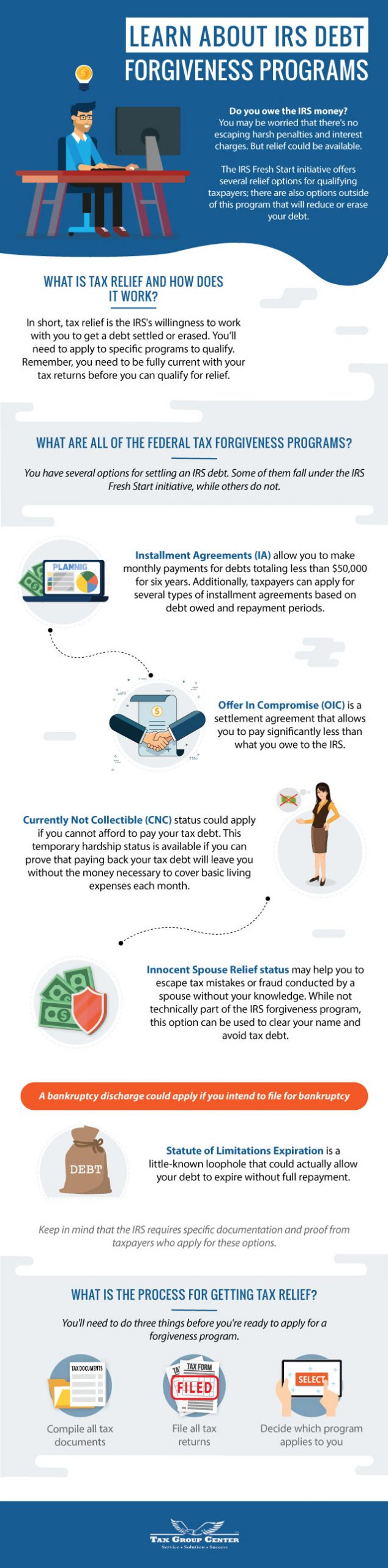
The OIC takes into consideration a number of variables, including the taxpayer's income, expenditures, asset equity, and ability to pay. Efficiently discussing an OIC can be complex, needing a comprehensive understanding of the internal revenue service's standards and a strong debate for why your deal lines up with your ability to pay. It is essential to keep in mind that not all applications are approved, and the procedure needs in-depth economic disclosure.
The internal revenue service examines your overall financial circumstance, including your income, expenditures, asset equity, and capacity to pay. You have to also be present with all filing and repayment demands and not be in an open personal bankruptcy case. The IRS additionally considers your conformity background, evaluating whether you have a document of timely declaring and paying taxes in previous years.
An Unbiased View of Federal Resources for Preparing for Life One Year After Bankruptcy: A Counselor-Approved Checklist
The application procedure for a Deal in Compromise involves numerous in-depth steps. You should finish and send Internal revenue service Form 656, the Deal in Concession application, and Form 433-A (OIC), a collection information statement for people. These kinds need comprehensive economic information, consisting of details about your revenue, debts, costs, and assets.
Back tax obligations, which are overdue taxes from previous years, can considerably enhance your total IRS financial obligation otherwise attended to quickly. This financial obligation can accrue passion and late repayment fines, making the original amount owed a lot bigger over time. Failing to pay back tax obligations can lead to the IRS taking enforcement actions, such as releasing a tax lien or levy versus your property.
It is essential to attend to back taxes immediately, either by paying the sum total owed or by organizing a layaway plan with the IRS. By taking proactive actions, you can prevent the accumulation of additional rate of interest and fines, and protect against much more hostile collection activities by the IRS.
One common reason is the idea that the taxpayer can pay the complete quantity either as a round figure or through a payment strategy. The IRS additionally thinks about the taxpayer's revenue, costs, property equity, and future earning capacity. If these factors suggest that the taxpayer can pay for to pay even more than the offered quantity, the internal revenue service is most likely to deny the deal.
More About What Must Prepare For Throughout the Preparing for Life One Year After Bankruptcy: A Counselor-Approved Checklist Process
Dealing with IRS financial debt can be complex and challenging. Tax obligation professionals, such as CPAs, tax obligation lawyers, or signed up agents, can give very useful aid.

Table of Contents
Latest Posts
Getting My Practical Tips Once Fee Waivers and Discounts for Bankruptcy Counseling: Who Qualifies? To Work
Rumored Buzz on Financial Factors Impacting How More Americans Need Are Seeking Financial counseling for veterans in North Carolina who feel trapped by credit card debt
Unknown Facts About Legal Considerations in Bankruptcy Proceedings
More
Latest Posts
Getting My Practical Tips Once Fee Waivers and Discounts for Bankruptcy Counseling: Who Qualifies? To Work
Unknown Facts About Legal Considerations in Bankruptcy Proceedings